


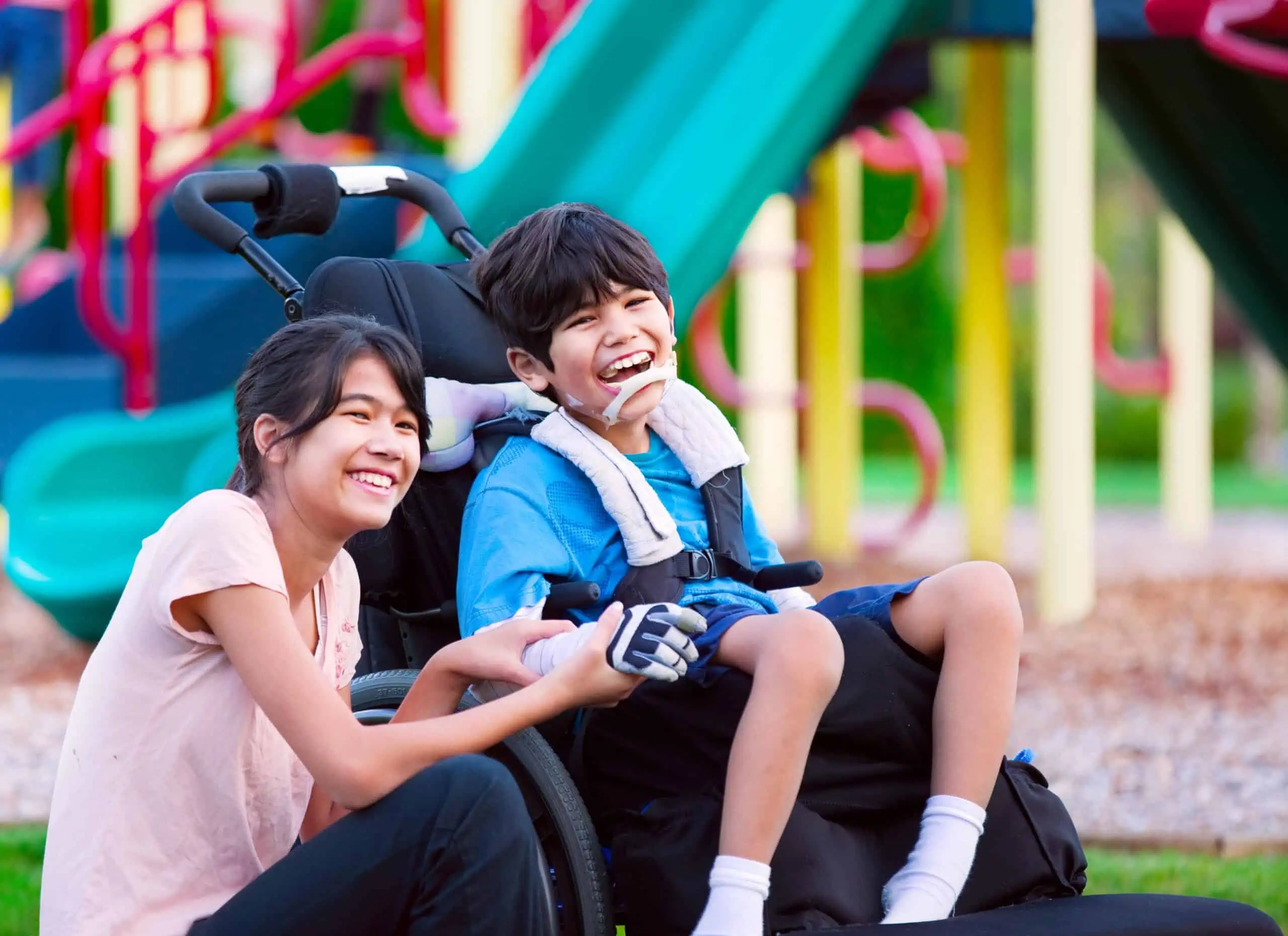
Let’s be honest. For many people, a trip to the dentist can feel a little daunting. Now, imagine that experience amplified—if you have sensory sensitivities, physical limitations, or cognitive challenges that make the bright lights, strange sounds, and unfamiliar environment overwhelming. For patients with special needs, these barriers have often been insurmountable, leading to a cycle of dental anxiety and neglected oral health.
But here’s the deal: the world of dentistry isn’t just changing; it’s undergoing a quiet revolution. A wave of new dental technology is fundamentally reshaping the experience, making comprehensive, compassionate, and comfortable care not just a hope, but a reality.
Beyond the Drill: Tech That Builds Trust and Comfort
The old model of “just getting through it” is, thankfully, fading. The new approach is about creating a sense of safety from the moment a patient walks—or rolls—through the door.
Sensory Adaptation Tools
For individuals with autism spectrum disorder or sensory processing disorders, the dental office is a minefield of overstimulation. Modern practices are fighting back with clever tech:
- Noise-Cancelling Headphones: These don’t just play music. They actively cancel the high-pitched whine of the drill and the suction tool, transforming a jarring noise into a manageable hum or, better yet, silence.
- Virtual Reality (VR) Headsets: A patient can be transported from the dental chair to a calming beach or a serene forest. It’s a powerful distraction technique that reduces anxiety and perception of pain. It’s not just a gimmick; it’s a portal to a calmer state of mind.
- Weighted Blankets: The deep pressure from a weighted blanket provides a grounding effect, like a constant, reassuring hug that can significantly lower anxiety levels for many patients.
Communication and Behavioral Supports
How do you explain a root canal to someone with a cognitive disability? You often don’t. You show them. Apps and digital visual schedules on tablets use picture-based stories to walk a patient through each step of the appointment beforehand. There are no surprises. This visual priming is a game-changer for building cooperation and reducing fear of the unknown.
The Big Guns: Advanced Clinical Technologies
Okay, so the environment is calmer. But what about the actual dentistry? This is where the real magic happens for patients with physical or complex medical needs.
Digital Impressions: Goodbye, Gagging
Remember those trays filled with goopy, thick, often foul-tasting impression material? For patients with a strong gag reflex—common in those with cerebral palsy or Down syndrome—this single step could derail an entire appointment. Digital intraoral scanners have made that a thing of the past.
A small, handheld wand gently glides over the teeth, taking thousands of digital images that are stitched together into a perfect 3D model on a screen. It’s faster, more accurate, and honestly, it feels a little bit like science fiction. The relief for patients is palpable.
Sedation Dentistry: Controlled and Safe
For some patients, cooperation isn’t a matter of willingness; it’s a matter of ability. For lengthy procedures or for those with extreme anxiety, sedation is a vital tool. Technology has made it safer than ever.
Computer-controlled delivery systems for nitrous oxide (“laughing gas”) ensure a precise, consistent mix. And for IV sedation, advanced patient monitoring technology continuously tracks heart rate, blood pressure, oxygen levels, and more, providing a safety net that allows the dentist to focus entirely on the procedure.
CAD/CAM and 3D Printing: Same-Day Smiles
This one is a powerhouse. Let’s say a patient with a developmental disability needs a crown. The traditional process involves the messy impression, a temporary crown (which can feel rough and uncomfortable), and a second appointment a few weeks later.
With CEREC (Chairside Economical Restoration of Esthetic Ceramics) and other CAD/CAM systems, it’s a one-and-done deal. The dentist uses a digital scanner, designs the crown on a computer, and a milling machine creates it right there in the office from a block of ceramic. The crown is placed in a single visit. This eliminates the need for multiple, stressful trips—a massive win for patient and caregiver alike.
And 3D printing? It’s moving beyond models. We’re now seeing 3D-printed surgical guides for precise implant placement and even custom-made dental appliances, all tailored to the unique anatomy of the patient.
The Accessibility Revolution: Wheelchair-Compatible Equipment
This might be the most straightforward yet profound change. For patients who use wheelchairs, the physical transfer to a dental chair can be painful, undignified, or medically risky. Modern accessibility-focused practices are installing wheelchair-compatible dental chairs.
These chairs have movable arms and bases that allow them to swing away or lower dramatically, enabling the dentist to treat the patient directly in their own wheelchair. It’s a simple piece of technology that speaks volumes about respect and dignity.
Finding the Right Practice: A Quick Guide
So, how do you find a dentist who uses this kind of technology? You can’t just assume every practice is equipped. Here are a few things to look for or ask about:
| Keyword / Phrase to Look For | What It Often Means |
| “Special Needs Dentistry” or “Special Care Dentistry” | The practice has specific training and a patient-focused philosophy. |
| “Sedation Dentistry Available” | They have the technology and certification for anxiety management. |
| “Digital Impressions” or “CEREC” | They’ve moved beyond goopy trays for greater comfort. |
| “Wheelchair Accessible” | Look for specifics—does this just mean a ramp, or does it include a compatible chair? |
| “Sensory-Friendly” | They are likely to have tools like VR, headphones, and adjusted lighting. |
Don’t be afraid to call and ask pointed questions. A practice truly invested in this care will be happy to detail their technology and approach.
A Final Thought: More Than Machines
In the end, all this amazing technology—the scanners, the VR, the silent drills—isn’t really about the gadgets themselves. It’s about what they enable: dignity. It’s about providing a level of care that doesn’t ask the patient to simply endure, but instead meets them exactly where they are.
The true innovation lies in using these tools to build a bridge of trust, to create a space where every person, regardless of their abilities or challenges, has the right to a healthy, confident smile without fear. And that, you know, is a future worth smiling about.